Special Silica Gel for Oil and Gas Recovery
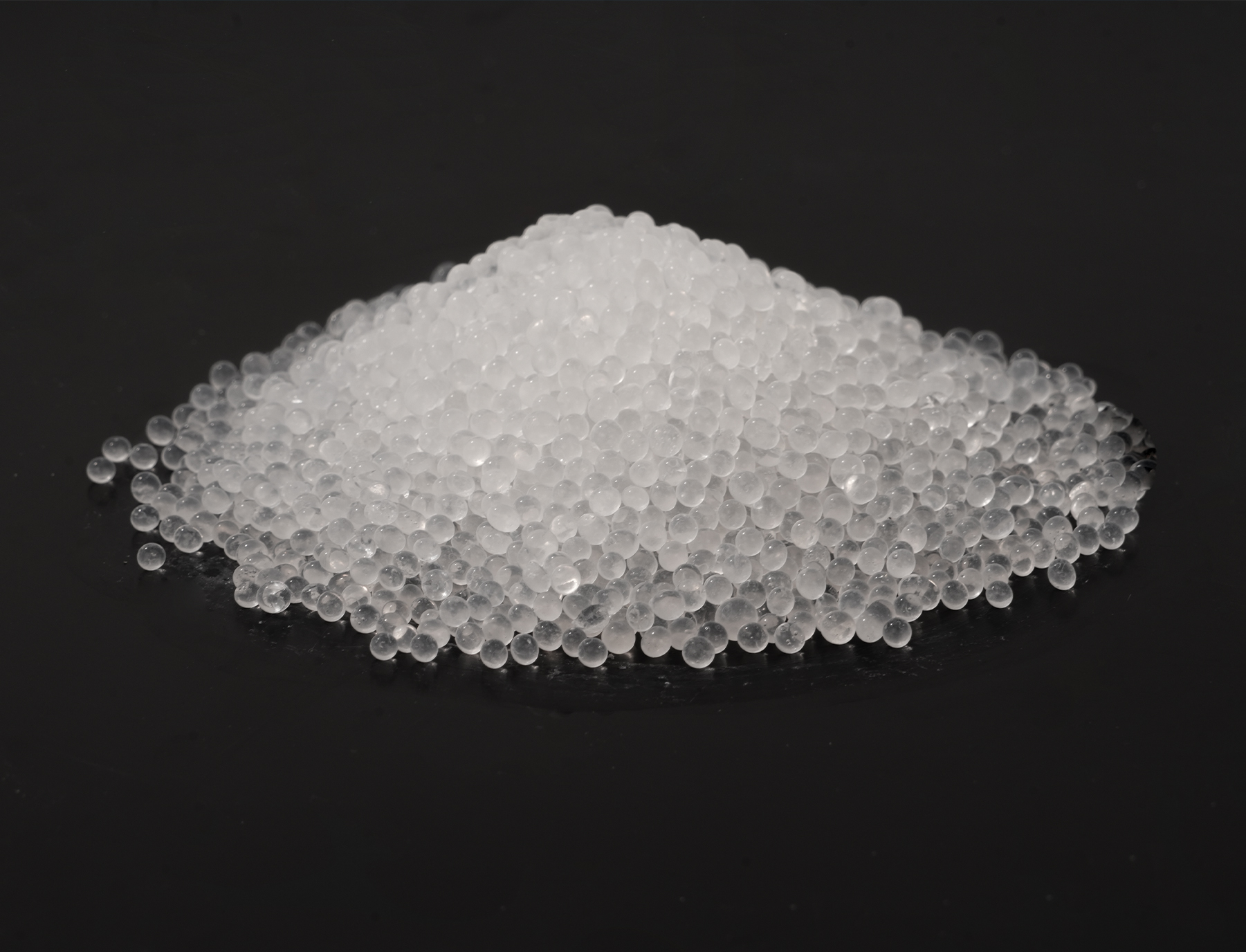
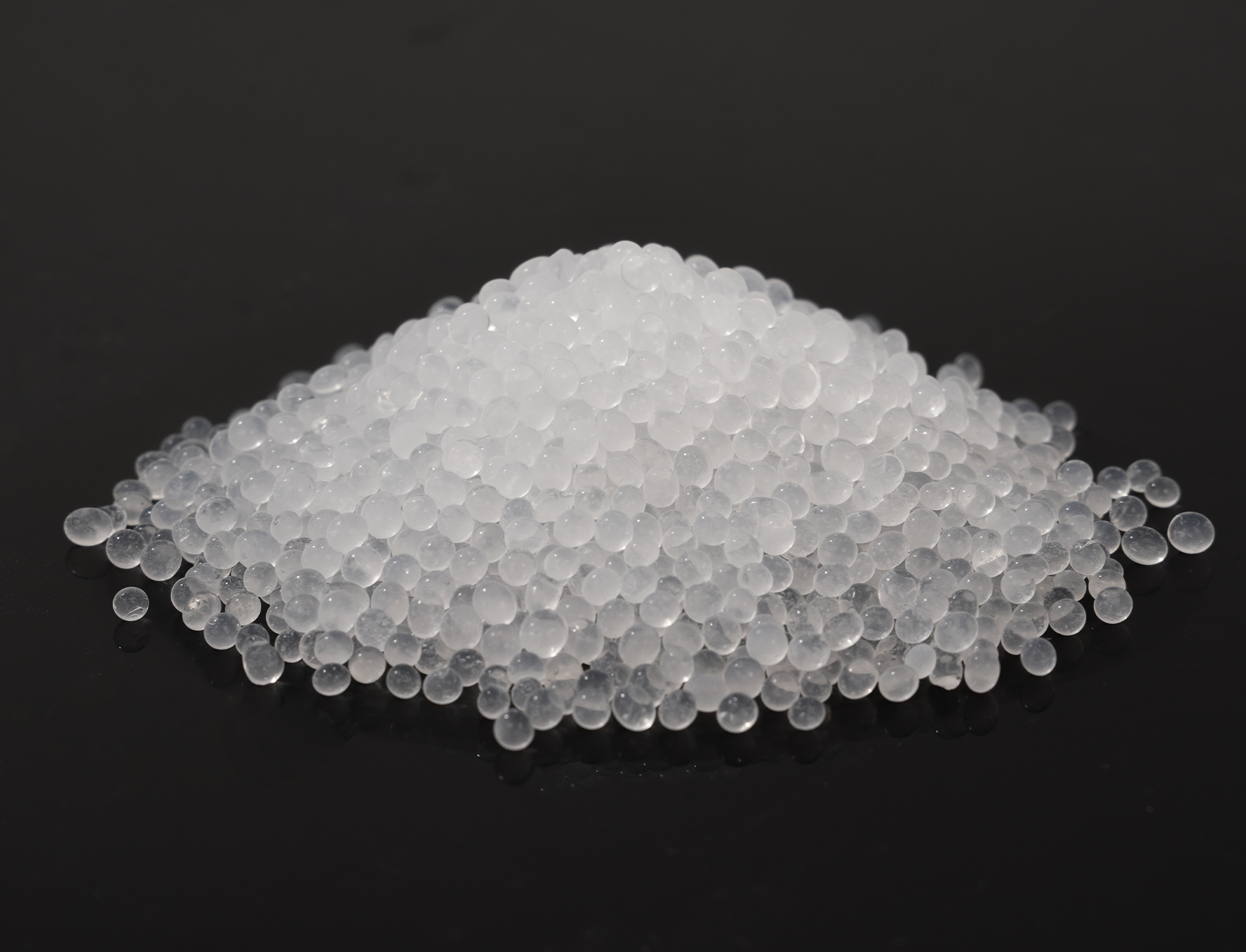
Silica gel is a highly active inorganic silicon adsorbent material, characterized by its insolubility in water and any solvent, non-toxicity, odorlessness, stable chemical properties, and the special performance of not reacting with any substances except strong alkalis and hydrofluoric acid. Due to differences in processing techniques, it exhibits varying microporous structures. Compared with activated carbon adsorbents, it possesses irreplaceable characteristics such as low adsorption heat, stable chemical properties, safety, environmental friendliness, high mechanical strength, and long service life.
Product Overview
Silica gel is a highly active inorganic silicon adsorption material, characterized by being insoluble in water and any solvent, non-toxic, odorless, chemically stable, and possessing the special property of not reacting with any substance except strong alkalis and hydrofluoric acid. Due to differences in processing techniques, resulting in varied microporous structures, compared with activated carbon adsorbents, it has irreplaceable characteristics such as low adsorption heat, chemical stability, safety, environmental friendliness, high mechanical strength, and long service life.
[R&D Approach and Practice]
The traditional activated carbon adsorption process technology is widely used among the four major processes (condensation, adsorption, absorption, and membrane technology) and is an effective oil vapor recovery technology. However, due to the high adsorption heat of activated carbon, which can easily cause combustion and explosion, severely impacting safe use, countries such as Japan have explicitly banned its use, replacing it with high-performance silica gel.
The development of oil vapor recovery silica gel in China started relatively late. However, with economic development and the improvement of people's living standards, the requirements for environmental safety are increasingly stringent. Our company adheres to the research and development approach of "physical means" while avoiding "chemical synthesis" to ensure environmental protection and safety throughout the entire process from raw materials to finished products.
1. Adhere to the "practice standard," changing the hydrophobic index to oleophilic, requiring that the product, when soaked in gasoline and oil vapor for a long period, shows no obvious cracking or fragmentation.
2. Purify the product, adjust the process, mix carbon and silica gel to complement each other's advantages, reduce temperature rise, and ensure safety.
3. Simplify the process, reduce costs, and extend service life, with a price less than one-third of imported products.
[Technical Features]
This product has a weakly polar surface, easily adsorbs hydrocarbons, and can be completely desorbed under vacuum conditions. It features a long service life, is non-flammable, ensuring the safety of oil depots and gas stations, has high oil vapor recovery efficiency, and low oil vapor emissions.
[Applications]
The specialized silica gel adsorbent for oil vapor recovery, developed by our company in recent years through in-depth collaboration with renowned domestic universities, replaces the industrial application of traditional activated carbon. This product fills the gap in China's oil vapor recovery silica gel market and is primarily used in oil vapor recovery units and various gas recovery processes.
[Technical Specifications]
| Specification | Unit | Standard |
| Bulk Density | g/ml | 0.55±0.10 |
| Specific Surface Area | m²/g | 400±100 |
| Pore Volume | ml/g | 0.65±1.10 |
| Particle Size | mm | 2-4 / 2-5 |
| Hydrophobicity | Pass | Pass |
| Oleophilicity | Pass | Pass |
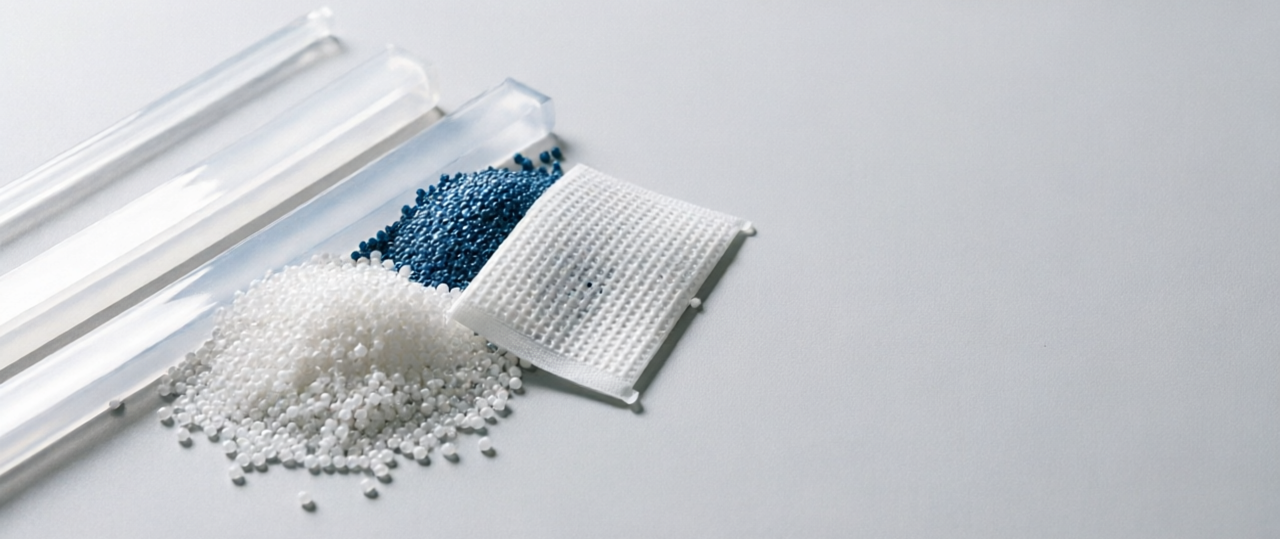
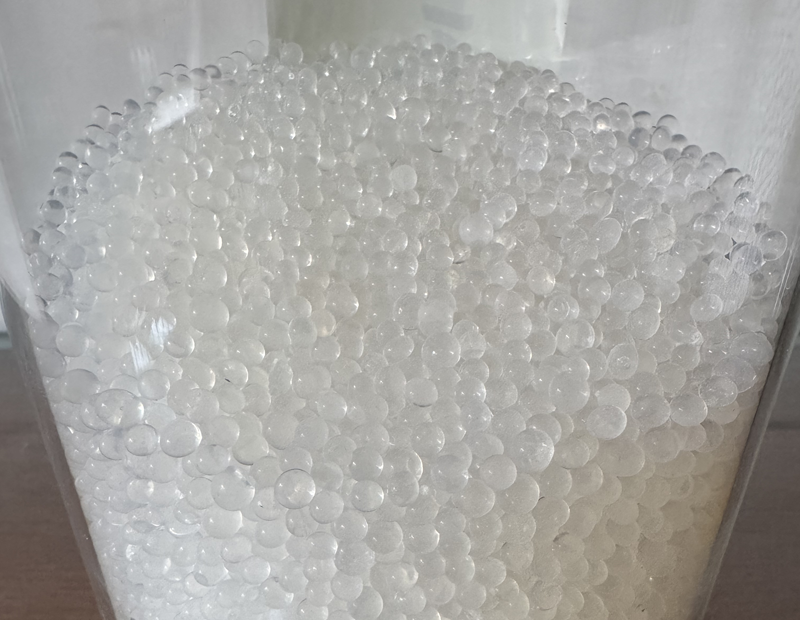
[Specifications] 2-4mm, 2-5mm
[Packaging] 25kg bag, or according to customer requirements
[Test Report]
1. After pre-treating high-quality silica gel, using our company's new process, high-purity water is used instead of solvent to react at a certain temperature. The resulting silica gel exhibits higher stability in pore volume and specific surface area compared to silica gel produced with solvents, and has lower production costs.
2. A certain amount of hydrophobic silica gel is weighed and placed in a sealed container for oil vapor adsorption, achieving an adsorption capacity of 29-34%.
3. A certain amount of hydrophobic silica gel is weighed and placed in an environment with RH=90% for hydrophobicity testing, achieving a hydrophobicity of 73.6%.
4. The hydrophobic silica gel that has adsorbed oil vapor undergoes a vacuum desorption test, achieving a desorption rate of over 74%.